

laminated wire glass
Understanding Linear Guide Rail Types Linear guide rails are essential components in modern machinery and automation systems, providing smooth and precise linear motion for various applications. These rails facilitate the movement of machine parts, ensuring accuracy and reducing friction in mechanical systems. As technology evolves, so do the types of linear guide rails, each designed to meet specific performance needs and applications. In this article, we will explore the main types of linear guide rails, their features, advantages, and typical uses in industry. 1. Ball Linear Guide Rails Ball linear guide rails are among the most commonly used types. They consist of a rail and a linear block, with hardened steel balls inserted between them. The balls enable smooth motion and reduce friction, allowing for high-speed operation. One of the primary advantages of ball linear guides is their capability to handle heavy loads while maintaining precise movement. These guides are widely used in CNC machines, robotics, and other applications requiring high accuracy and load-carrying capacity. 2. Roller Linear Guide Rails Roller linear guide rails utilize cylindrical rollers instead of balls. This design provides a larger contact area, leading to an enhanced load capacity and stability. Roller guides excel in applications that demand high rigidity and minimal deformation under heavy loads. They are often used in heavy-duty machinery, such as industrial presses and large fabrication equipment. However, the roller linear guide may have a higher friction coefficient than ball guides, which can affect speed. 3. Profile Rail Guides linear guide rail types Profile rail guides feature a square or rectangular cross-section, providing a robust and versatile solution for many applications. These guides also include rolling elements, similar to ball or roller guides, but are designed to handle varying loads and environmental conditions. Modular and adaptable, profile rail guides are suitable for applications ranging from light-duty to heavy industrial machinery. Their ability to withstand bending and deflection makes them ideal for precision applications. 4. Magnetic Linear Guide Rails Magnetic linear guide rails operate on the principle of magnetic levitation, where a magnetic field effectively lifts and guides the moving component without physical contact. This design minimizes friction, wear, and maintenance, making it an attractive option for clean-room environments or applications requiring high-speed movement. Magnetic guides are often found in semiconductor manufacturing and high-tech equipment, where precision and cleanliness are paramount. 5. Air Linear Guide Rails Air linear guide rails use a thin film of air to support the moving part, providing an ultra-low friction movement. This approach is favored in applications where minimal friction and noise are critical, such as in optical and electronic equipment. Air guides require a continuous supply of compressed air, which can be a limitation, but they deliver a unique advantage in terms of speed and smoothness, as friction is essentially eliminated. Conclusion Choosing the right type of linear guide rail is critical for the success of any application that involves precise motion control. Each type of linear guide rail comes with its own set of advantages and disadvantages, tailored to specific operational needs. Whether requiring high load capacity, minimal friction, or suitability for harsh environments, understanding these differences can help engineers and designers select the optimal solution for their machinery. As industries continue to innovate and develop, linear guide rails will remain a fundamental aspect of automated systems and precision machinery.
about
laminated wire glass
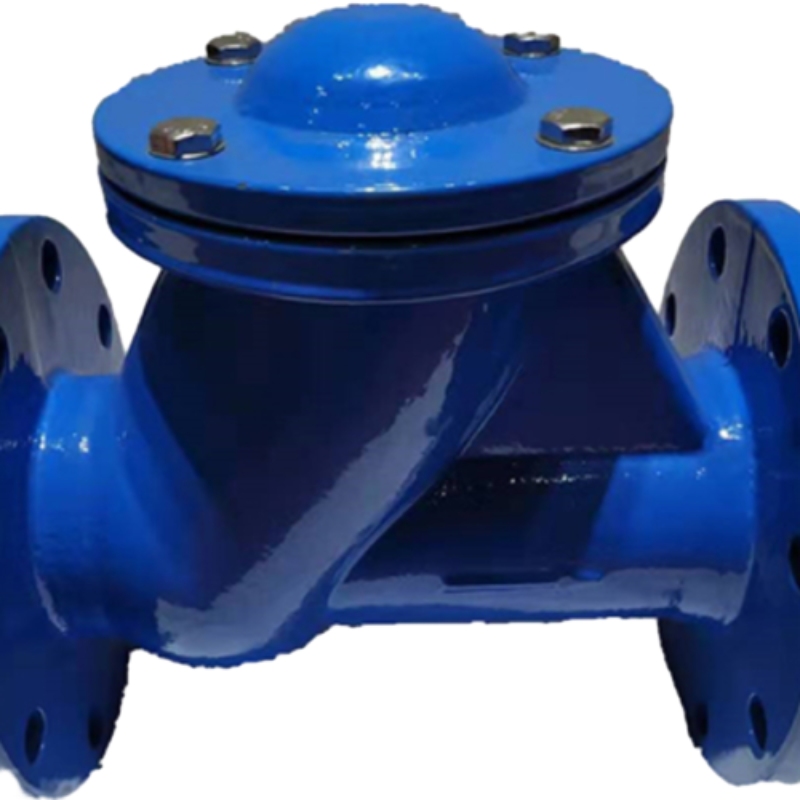
The Slow Closing Check Valve from Storaen (Cangzhou) International Trading Co. represents a significant advancement in fluid control technology. Designed to address the challenges of rapid valve closure and water hammer effects, this innovative product combines engineering precision with practical functionality. In this article, we explore its features, advantages, technical specifications, application scenarios, and the company's commitment to quality. Key Features of the Slow Closing Check Valve The Slow Closing Check Valve is engineered with a novel structure that ensures optimal performance in demanding industrial environments. Its design prioritizes good sealing effect , minimizing leakage and enhancing system reliability. The valve also offers low resistance and large flow capacity , allowing for efficient fluid movement without compromising pressure integrity. Additionally, its long service life reduces maintenance costs and downtime, making it a cost-effective solution for various applications. A standout feature is the valve's ability to control the speed of opening or closing the main valve. This adjustability enables users to fine-tune the system to match specific operational conditions, ensuring smooth and controlled flow regulation. The slow-closing muffling effect further mitigates the risk of water hammer , a common issue in hydraulic systems that can lead to pipe damage and system failure. Advantages of the Slow Closing Check Valve The Slow Closing Check Valve offers several distinct advantages that set it apart from traditional check valves. Its adjustable closure speed allows for precise control over fluid dynamics, which is critical in applications requiring gradual pressure changes. This feature not only enhances safety but also extends the lifespan of connected equipment by reducing mechanical stress. The valve's low resistance ensures minimal energy loss during fluid flow, contributing to overall system efficiency. This is particularly beneficial in industries where energy conservation is a priority. Furthermore, the robust sealing mechanism prevents leaks, which is essential for maintaining the integrity of pipelines and preventing environmental contamination. Another notable advantage is the long service life of the valve. Constructed from high-quality materials, it is designed to withstand harsh operating conditions, including high pressure and corrosive environments. This durability reduces the frequency of replacements, saving both time and resources for end-users. Technical Specifications Parameter Details Model 300X Slow-Closing Muffler Check Valve Flow Rate Varies based on application; designed for large flow capacity Pressure Range Up to 10 MPa (depending on configuration) Materials Stainless steel and corrosion-resistant alloys Sealing Mechanism Advanced elastomer seals for leak-proof performance Adjustability Variable closure speed control for optimal operation Installation Easy integration into existing pipeline systems Application Scenarios The Slow Closing Check Valve is versatile and suitable for a wide range of industrial applications. In water treatment plants , it helps regulate flow rates and prevent water hammer, ensuring the longevity of pumps and pipelines. In the oil and gas industry , its ability to manage high-pressure fluid dynamics makes it ideal for hydraulic systems and control valves. The valve is also widely used in manufacturing processes , where precise control over fluid flow is critical. For example, in chemical processing , it ensures safe and efficient transfer of corrosive substances. In power generation , the valve contributes to the stability of cooling systems and steam turbines by mitigating pressure fluctuations. Additionally, the Slow Closing Check Valve is beneficial in residential and commercial plumbing systems . Its muffling effect reduces noise caused by rapid valve closure, enhancing user comfort. This makes it a preferred choice for applications where quiet operation is essential. About Storaen (Cangzhou) International Trading Co. Storaen (Cangzhou) International Trading Co. is a leading provider of industrial components, specializing in fluid control solutions . With a focus on innovation and quality, the company has established itself as a trusted partner for businesses worldwide. Their commitment to technical excellence and customer satisfaction is evident in the design and performance of their products. Storaen's expertise in hydraulic systems and industrial valves is supported by a team of experienced engineers and technicians. The company adheres to strict quality control standards, ensuring that every product meets international benchmarks. This dedication to precision and reliability has enabled Storaen to serve a diverse clientele across various sectors. As highlighted by the National Institute of Standards and Technology (NIST) , precision in industrial components is critical for operational efficiency and safety (NIST, 2025). Storaen's Slow Closing Check Valve exemplifies this principle, offering a solution that aligns with the evolving demands of modern industries. Conclusion The Slow Closing Check Valve from Storaen (Cangzhou) International Trading Co. is a testament to advanced engineering and practical design. Its ability to control flow rates, reduce water hammer, and ensure long-term reliability makes it an indispensable component in industrial systems. Whether in water treatment, oil and gas, or manufacturing, this valve delivers exceptional performance and value. For businesses seeking a high-quality, durable, and efficient solution for fluid control, the Slow Closing Check Valve is an excellent choice. By investing in this product, companies can enhance their operational efficiency, reduce maintenance costs, and ensure the safety of their systems. Storaen's commitment to innovation and quality ensures that their products continue to meet the highest standards of performance and reliability. References National Institute of Standards and Technology (NIST) . (2025). Advancing Technology through Precision Measurements . Retrieved from https://www.nist.gov/
-

High quality industrial productsagement

High quality industrial products
View Details -

Meet the diverse needs of customers

Meet the diverse needs of customers
View Details -

Strict quality control

Strict quality control
View Details -

Top raw materials

Top raw materials
View Details -

Trusted supplier

Trusted supplier
View Details
Our application



news and information
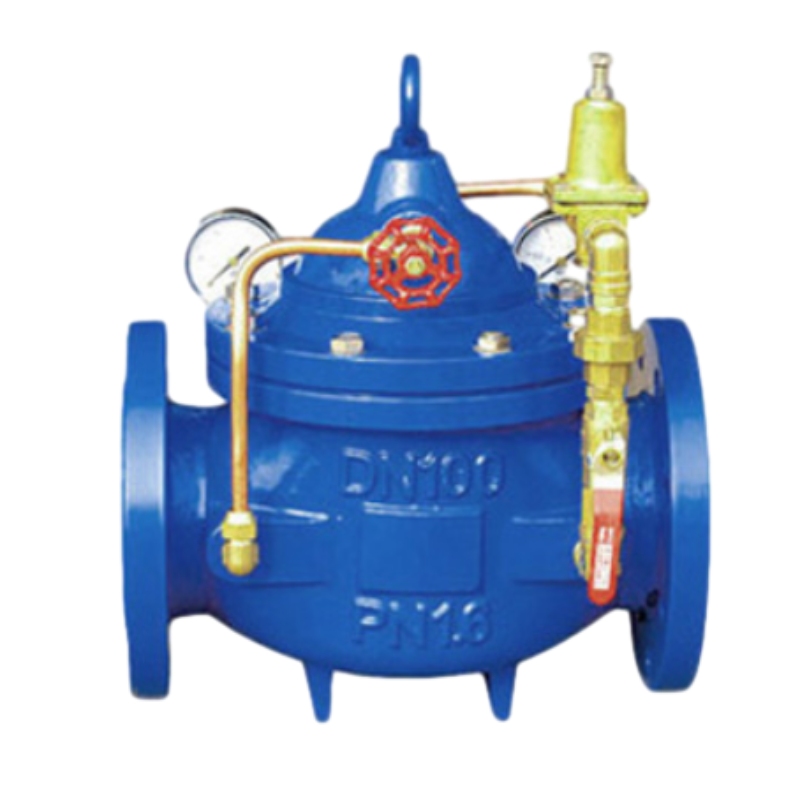
water pressure regulating valve
Understanding Water Pressure Regulating Valves A Key Component for Efficient Plumbing Systems Water

V Frames - Innovative Video Frame Solutions for Your Visual Needs
Understanding V-Frames in Video Production In the world of video production, the term V-frames refer
y strainer steam trap
Understanding Y-Strainer and Steam Traps Essential Components in Fluid Management In industrial syst
 English